
Your tooth enamel is the hardest substance in the human body, yet it faces daily attacks from acidic foods, plaque bacteria, and normal wear.
When it comes to protecting and repairing your tooth enamel, understanding which minerals play the most crucial role can mean the difference between strong and healthy teeth and costly dental problems down the road.
The answer might surprise you: while most people immediately think of calcium, phosphorus actually leads the way in enamel repair and strengthening.
This essential mineral works as the key component in rebuilding your teeth’s protective outer layer, partnering with calcium to create the crystal structure that makes enamel so remarkably strong.
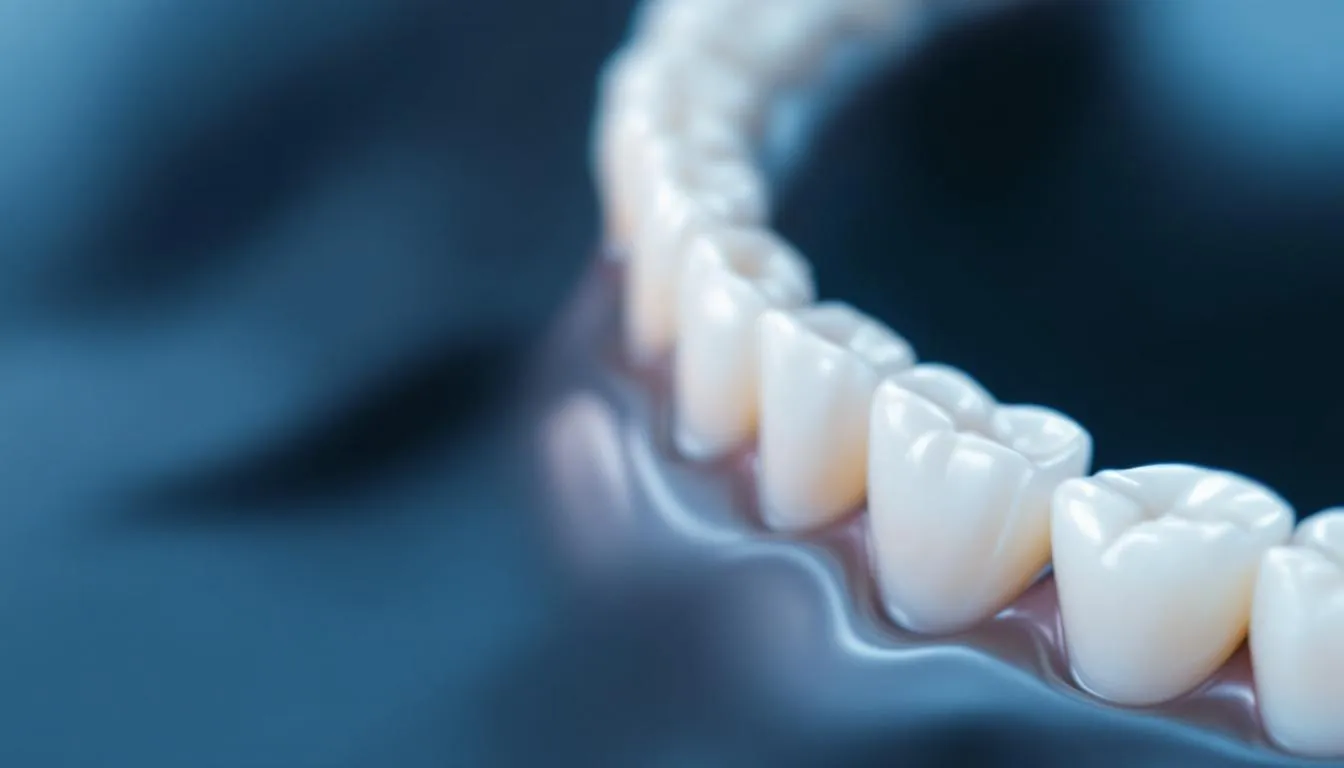
The Answer: Phosphorus Leads the Way in Enamel Repair
Phosphorus stands as the primary mineral responsible for strengthening and repairing tooth enamel. This essential mineral combines with calcium to form hydroxyapatite crystals, which make up 97% of your tooth enamel structure. Without adequate phosphorus, your body cannot properly rebuild and maintain the hard outer layer that protects your teeth from decay and erosion.
The remineralization process—your teeth’s natural repair mechanism—depends heavily on phosphorus availability. When acids from bacteria or acidic beverages temporarily weaken your enamel, phosphorus works alongside calcium to restore mineral density and repair microscopic damage before it becomes permanent tooth decay.
How to make Enamel strong?
Research shows that phosphorus deficiency can significantly impact your body’s ability to maintain strong teeth. Adults need approximately 700mg of phosphorus daily to support optimal enamel health, making it crucial to include phosphorus-rich foods in your regular diet.
This mineral’s role extends beyond simple enamel repair—it actively strengthens existing enamel by increasing its resistance to acid attacks and daily wear. The phosphate ions in phosphorus create stronger chemical bonds within the tooth structure, essentially making your enamel more durable over time.
Understanding Tooth Enamel and Its Mineral Composition
Tooth enamel serves as your teeth’s first line of defense against everything from hot coffee to ice cream, acidic drinks to crunchy snacks. This remarkable substance is composed almost entirely of hydroxyapatite, a crystalline form of calcium phosphate that gives enamel its incredible strength and durability.
The hardest substance in your entire human body, enamel protects the softer inner layers of your teeth—the dentin and pulp—from bacterial invasion, temperature changes, and mechanical stress. Unlike other tissues in your body, tooth enamel contains no living cells, which means it cannot regenerate once completely lost.
However, enamel can undergo remineralization when minerals are available through saliva and dietary sources. This natural repair process allows your teeth to recover from early stages of demineralization before permanent damage occurs. The key lies in ensuring your body has access to the right essential minerals in the correct proportions.

The image compares healthy teeth, showcasing their strong and shiny enamel, next to teeth that are damaged by acidic beverages and poor mineral intake, illustrating the effects of enamel erosion and tooth decay.
When Does Enamel Erosion occur?
Enamel erosion occurs when acids dissolve the mineral content faster than your natural remineralization process can replace it.
Factors like stomach acid from acid reflux, acidic foods and drinks, dry mouth conditions, and certain medications can accelerate this process, making adequate mineral intake even more critical for maintaining strong teeth.
Understanding this delicate balance helps explain why nutrition plays such a crucial role in dental health. Your daily dietary choices directly impact your teeth’s ability to maintain and repair their protective enamel layer.
Essential Minerals That Support Enamel Health
While phosphorus takes the lead role in enamel repair, maintaining optimal tooth structure requires a team of essential minerals working together. Each mineral contributes unique properties that enhance overall enamel strength and resistance to damage.
The synergistic relationship between these minerals means that a deficiency in one can compromise the effectiveness of the others. For example, adequate magnesium is necessary for proper calcium absorption, while fluoride enhances the stability of calcium and phosphate deposits in teeth.
This mineral team approach to enamel health explains why a balanced diet rich in various nutrient sources proves more effective than focusing on individual supplements. The complex interactions between minerals require careful attention to overall nutritional balance rather than isolated mineral consumption.
Phosphorus: The Enamel Strengthener
While phosphorus plays a leading role in enamel repair, a combination of essential minerals works together to maintain strong and healthy tooth enamel. Each mineral contributes uniquely to enamel strength and resistance to damage.
- Phosphorus forms the backbone of hydroxyapatite crystals, providing enamel its hardness. It combines with calcium, delivered through saliva, to rebuild weakened enamel areas. Adults need about 700mg of phosphorus daily, found in foods like fish, dairy, eggs, nuts, legumes, and whole grains.
- Calcium is the primary building block of enamel, supplying the bulk material for its formation and maintenance. The recommended daily intake is 1000-1200mg. Good sources include dairy, leafy greens, fortified plant milks, and certain fish. Calcium absorption depends on factors like vitamin D levels and limiting excessive caffeine and sodium.
- Fluoride strengthens enamel by forming fluorapatite, a more acid-resistant mineral. It is found in fluoridated water, toothpaste, and some foods. Fluoride enhances remineralization, making teeth more resilient to decay.
- Magnesium supports enamel health by regulating calcium absorption and utilization. Adults need 310-420mg daily, with sources including leafy greens, nuts, seeds, avocados, and whole grains. Magnesium deficiency can impair calcium use, weakening enamel.
Maintaining a balanced intake of these minerals through a varied diet is key to supporting enamel repair and overall dental health.