
Cavity treatment without drilling is now possible through advanced dental technologies and minimally invasive dentistry techniques. Modern dental care offers multiple proven alternatives to the traditional dental drill, allowing patients to treat early tooth decay and even some advanced cavities without the pain, anxiety, and discomfort associated with conventional drilling methods.
Yes, there are multiple drill-free cavity treatment options available today that can effectively treat cavities while preserving healthy tooth structure and improving patient comfort.
What You’ll Learn:
- Six proven drill-free cavity treatment methods and their applications
- When each technique is appropriate based on the decay stage and location
- Step-by-step treatment processes and what to expect during appointments
- Cost considerations and insurance coverage for innovative approach options
Understanding Cavities and Modern Treatment Approaches
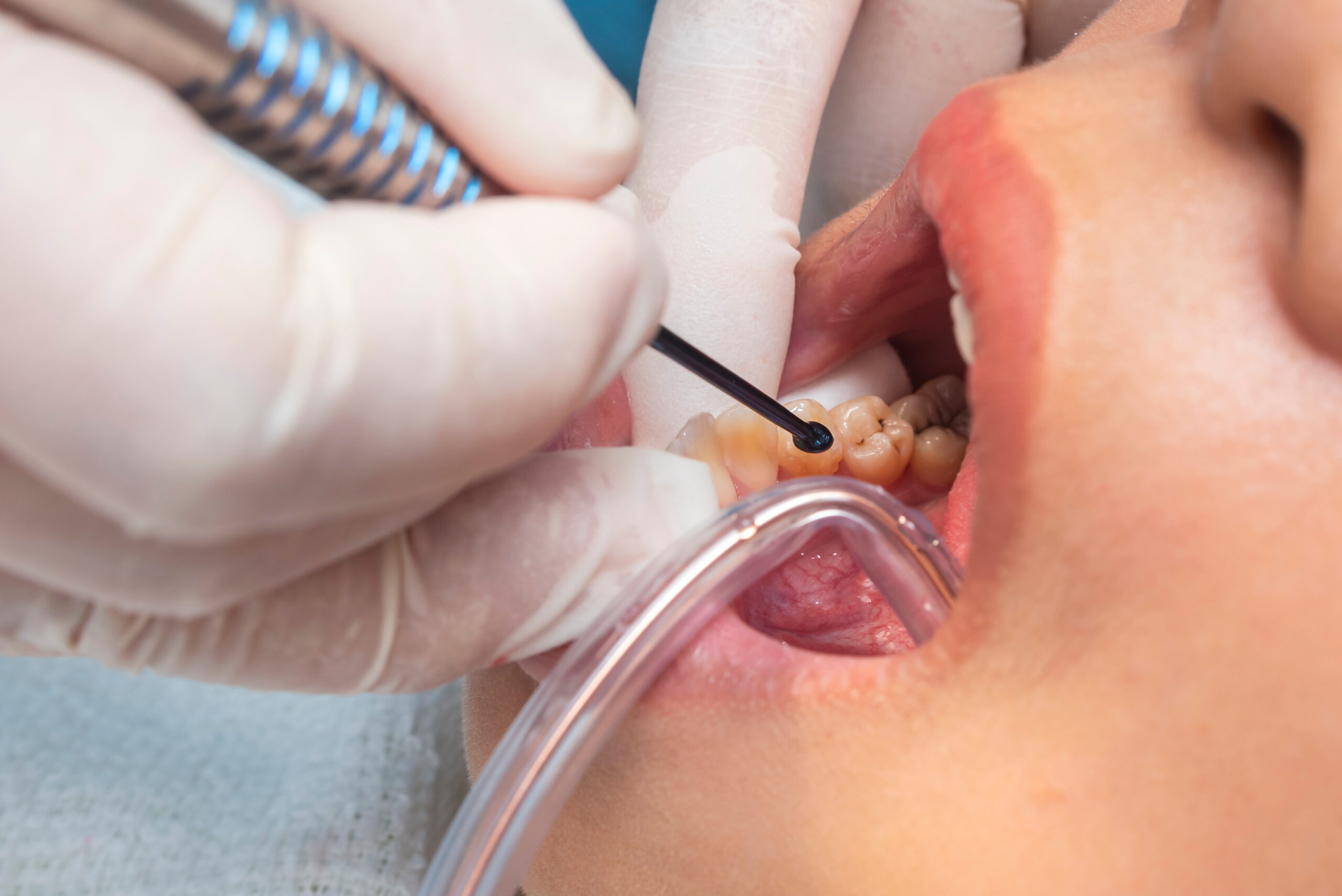
Tooth decay occurs when bacteria in the mouth produce acids that slowly break down the enamel and dentin beneath, leading to cavities forming in the affected tooth.
Traditional treatment has long relied on removing decayed areas with a dental drill, followed by placing fillings to restore tooth structure. While effective, this approach involves drilling healthy tissue along with decay, creates vibration and noise that triggers dental anxiety, and often requires local anesthesia due to discomfort.
Modern dentistry has embraced minimally invasive dentistry principles that prioritize patient comfort and tooth preservation. Unlike traditional methods that focus on “drill and fill,” contemporary approaches emphasize early detection, prevention, and biological repair of tooth structure whenever possible.
These advances became possible due to significant improvements in dental technology since 2010, including better diagnostic tools, bioactive materials, and our enhanced understanding of how teeth naturally repair themselves through remineralization.
Early-Stage vs Advanced Decay
Early-stage cavities appear as white spots or areas of demineralization on the tooth surface, while advanced decay involves actual holes or cavities that penetrate deeper into the tooth structure.
Early tooth decay represents the initial stages where minerals have been lost from enamel, but the surface remains intact. At this stage, the tooth structure can potentially heal itself through natural remineralization processes.
This connects to drill-free treatment because early detection enables access to non-invasive treatment options that can halt or reverse the decay process without removing tooth structure.
Remineralization and Enamel Repair
Teeth possess a natural ability to heal early damage through remineralization, where calcium, phosphate, and fluoride minerals strengthen weakened enamel and repair early signs of decay.
This biological process occurs constantly in healthy mouths, with saliva providing essential minerals and fluoride enhancing the formation of acid-resistant crystal structures in tooth enamel.
Building on early-stage decay concepts, this natural repair process forms the foundation for several drill-free cavity treatments that enhance and accelerate the tooth’s innate healing abilities.
Transition: Understanding how teeth naturally heal themselves explains why modern cavity treatment can now work with biological processes rather than against them.
Proven Drill-Free Cavity Treatment Methods
Building on our understanding of natural tooth repair, six established drill-free methods now offer effective alternatives to traditional drilling for treating cavities ranging from early demineralization to moderate decay.
These innovative approaches are most effective for small to moderate cavities detected during routine dental care, although some methods can also address more advanced decay in specific situations.
-
Silver Diamine Fluoride (SDF) Treatment
Silver diamine fluoride is an FDA-approved antimicrobial solution that stops decay progression by killing bacteria and promoting remineralization without requiring any drilling or removal of tooth structure.
The procedure involves cleaning the affected area and applying SDF with a small brush in a simple 5-minute process. This treatment is an ideal option for younger patients, individuals with dental anxiety, and situations where traditional treatment isn’t immediately possible.
SDF offers over 80% effectiveness in arresting cavities, requires no anesthesia, and provides an attractive option for preventing further decay. The only significant consideration is temporary black staining of treated areas, making it less suitable for visible front teeth.
-
Fluoride Treatment and Remineralization Therapy
High-concentration fluoride applications can reverse early tooth decay by delivering concentrated minerals directly to weakened enamel, promoting natural repair processes.
Professional fluoride varnishes and gels contain significantly higher fluoride levels than consumer products, providing sustained mineral release over several hours. Treatment typically involves multiple applications over several months for optimal results.
Unlike SDF, fluoride treatment prevents staining and maintains natural tooth appearance, though it may require multiple visits and works best on very early-stage cavities rather than more advanced decay.
-
Laser Cavity Treatment
Hard tissue lasers precisely vaporize decayed areas without the noise, vibration, or pressure of traditional dental drills, offering a virtually pain-free alternative for treating most cavities.
The laser energy targets water and minerals in decayed tissue while leaving healthy tooth structure largely untouched. Most laser treatments require little to no anesthesia due to the precision and gentle nature of the process.
This method suits most small to medium cavities and offers faster healing times compared to traditional methods, with many patients experiencing minimal post-treatment sensitivity.
-
Air Abrasion Technique
Air abrasion uses a gentle stream of aluminum oxide particles to remove decay while preserving healthy tooth structure, operating silently to reduce dental anxiety.
This “dental sandblaster” approach removes decay through controlled particle flow rather than mechanical drilling. The procedure typically takes 10-15 minutes and often requires no anesthesia for shallow cavities.
Air abrasion works best for cavities on the chewing surfaces of back teeth and provides excellent access to decay in pits and fissures where traditional instruments may struggle.
-
Resin Infiltration (Icon/Curodont)
Liquid resin penetrates and seals early cavities without removing any tooth structure, preventing progression while blending invisibly with natural enamel.
The resin infiltration process involves etching the cavity with mild acid, then applying low-viscosity resin that flows into the porous areas and hardens under a curing light. This single-visit treatment effectively treats white spot lesions and early decay between teeth.
Resin infiltration prevents progression of early-stage cavities and maintains natural tooth appearance, making it an excellent choice for visible areas and patients seeking conservative treatment.
Learn more about Curodont Repair Fluoride Plus.
-
Atraumatic Restorative Treatment (ART)
Hand instruments gently remove soft decay, followed by placement of fluoride-releasing glass ionomer fillings, requiring no electricity or drilling equipment.
ART focuses on removing only the softest, most infected portions of decay while preserving potentially remineralizable tooth structure. The glass ionomer material bonds to teeth and releases fluoride over time for ongoing protection.
This approach is particularly effective for pediatric patients and those with special needs, offering a completely drill-free restoration process accessible in any dental setting.
Key Points:
- Most methods work effectively on early to moderate cavities detected promptly through regular dental care
- Treatment selection depends on cavity size, location, patient age, and individual preferences
- Many options require minimal or no anesthesia and offer faster recovery compared to traditional fillings
- Not all dental practices offer every drill-free method—research providers offering these innovative approaches
Transition: Understanding available methods leads naturally to exploring how these treatments are actually performed and comparing their specific applications.

Step-by-Step Treatment Process and Method Comparison
While drill-free techniques vary in their specific application methods, the overall patient experience follows a similar pattern focused on comfort, efficiency, and preserving healthy tooth structure throughout the treatment process.
Step-by-Step: Getting Drill-Free Cavity Treatment
When to use this process: Early detection during routine dental visits or when experiencing tooth sensitivity suggests possible decay requiring prompt intervention.
- Comprehensive Examination: Your dentist performs a visual inspection and takes digital X-rays to assess cavity size, depth, and location, determining which drill-free methods are appropriate for your specific situation.
- Treatment Discussion: Based on cavity characteristics, your dentist explains suitable non-invasive treatment options, discussing benefits, timeline, and expected outcomes for each relevant method.
- Treatment Application: The selected procedure is performed, typically taking 5-30 minutes depending on the method, with most requiring little to no anesthesia for patient comfort.
- Follow-up Planning: Your dentist provides aftercare instructions and schedules monitoring appointments to ensure treatment effectiveness and long-term oral health maintenance.
Comparison: Treatment Methods by Cavity Type
|
Feature |
SDF Treatment |
Fluoride Therapy |
Laser Treatment |
Resin Infiltration |
|
Best for Stage |
Early to moderate decay |
Very early demineralization |
Small to medium cavities |
White spots, early decay |
|
Treatment Time |
5 minutes |
15-30 minutes per visit |
10-20 minutes |
15-30 minutes |
|
Visits Required |
Single application |
Multiple visits |
Usually a single visit |
Single visit |
|
Age Suitability |
Excellent for children |
All ages |
All ages |
Best for teens/adults |
|
Staining Potential |
Temporary black stain |
None |
None |
None |
|
Insurance Coverage |
Variable |
Often covered |
Varies by plan |
Limited coverage |
Most insurance plans provide better coverage for established treatments like fluoride therapy, while newer methods may require additional patient investment despite their effectiveness and patient comfort benefits.
Transition: While these methods offer significant advantages, patients should understand potential challenges they may encounter when seeking drill-free cavity treatment.
What Challenges Might You Face (and How to Fix Them)?
Despite the expanding availability of drill-free options, patients may encounter obstacles when seeking these innovative approaches to cavity treatment in their local dental communities.
Challenge 1: Not All Cavities Qualify for Drill-Free Treatment
Solution: Focus on early detection through regular dental visits and monitoring early signs of decay at home, such as tooth sensitivity or visible white spots on tooth surfaces.
Large or deep cavities that approach the tooth nerve may still require traditional treatment methods, emphasizing the importance of addressing decay promptly before it progresses beyond drill-free treatment options.
Challenge 2: Limited Provider Availability
Solution: Research dental practices specializing in minimally invasive dentistry, pediatric care, or those advertising modern dental technology and preventive care approaches.
Call dental offices ahead of scheduling to confirm they offer specific drill-free technologies and have experience treating cavities without drilling, ensuring you access qualified providers for your treatment needs.
Challenge 3: Insurance Coverage Uncertainty
Solution: Contact your insurance provider directly to verify coverage for specific drill-free procedures before scheduling treatment, and inquire about payment plan options for procedures with limited coverage.
Many dental practices offering innovative approaches provide flexible financing arrangements, recognizing that newer treatments may not yet have full insurance plan support despite their clinical effectiveness.
Transition: Understanding these challenges helps patients navigate successfully toward accessing the drill-free cavity treatments that best serve their oral health needs.
Conclusion and Next Steps
Multiple proven drill-free cavity treatments now exist for various decay situations, offering patients effective alternatives to traditional drilling that preserve healthy tooth structure while reducing pain and dental anxiety. The key to accessing these less invasive options lies in early detection and working with dental providers experienced in minimally invasive dentistry approaches.
Early intervention remains crucial because most drill-free methods work best on early-stage tooth decay, before cavities progress to sizes requiring more extensive treatment involving drilling and traditional fillings.
To get started:
- Schedule a dental examination to assess current oral health and identify any early signs of decay that might benefit from drill-free treatment. You can schedule your consultation by clicking here.
- Research local dentists offering minimally invasive treatments by calling practices and asking specifically about their drill-free cavity treatment options and experience levels
- Discuss drill-free options during your next dental visit to understand which methods might be appropriate for your specific oral health situation and treatment preferences