
Tooth sensitivity is a frequent dental concern, often characterized by sharp, temporary pain when teeth are exposed to hot, cold, sweet, or acidic triggers. While some cases may indicate complex underlying issues, many patients can manage and reduce discomfort through targeted home care. If you are struggling with sensitive teeth in Dallas, TX, your dentist can provide professional hygiene strategies to restore your daily comfort.
Dentin hypersensitivity occurs when the protective enamel wears down or the gum line recedes, exposing the porous dentin underneath. By adjusting your daily routine, you can protect these vulnerable areas and strengthen your teeth against external stimuli.
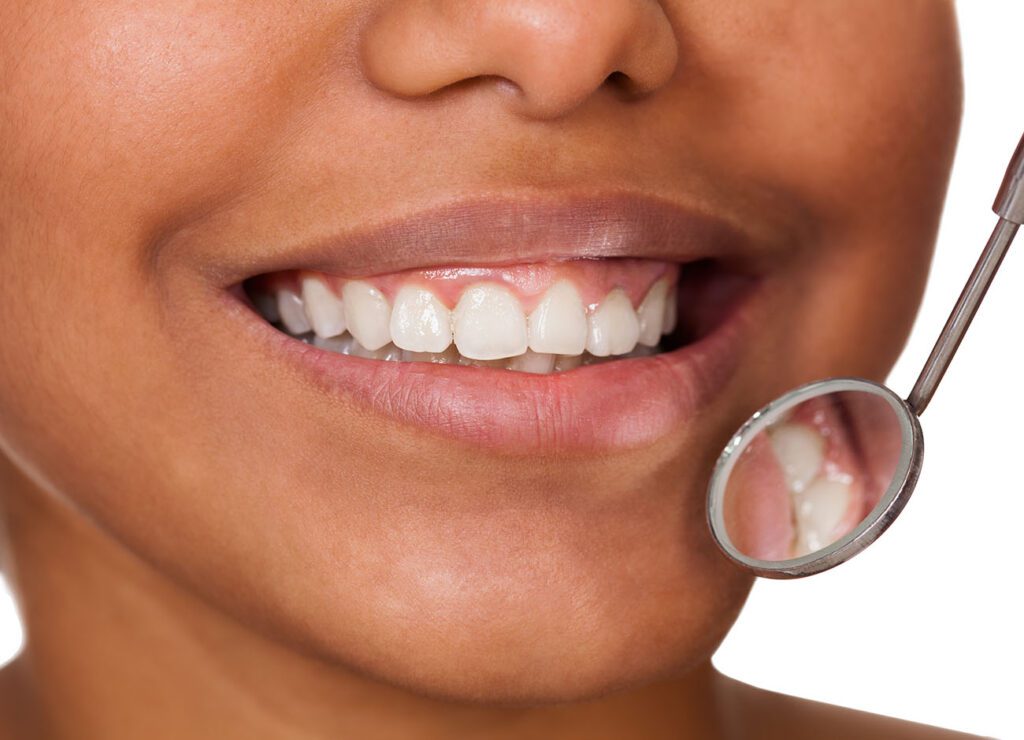
How Oral Hygiene Management Reduces Sensitivity
A consistent oral hygiene routine is the primary defense against the plaque buildup and decay that exacerbate sensitivity. However, for those with sensitive teeth, a standard routine may require specific modifications to prevent further enamel loss.
Selecting the Correct Toothbrush
Using a soft-bristled toothbrush is essential for protecting your smile. Brushes with hard or medium bristles can act as an abrasive, gradually wearing away the enamel fortress. Furthermore, many patients inadvertently apply too much pressure while brushing. If you have a “heavy hand,” switching to an electric toothbrush with a built-in pressure sensor can alert you when you are pushing too hard, helping you maintain a gentle but effective cleaning motion.
Dietary Impacts on Enamel Strength
Enamel erosion is often accelerated by highly acidic foods and drinks, such as citrus fruits, sodas, and sports drinks. Acid softens the enamel layer, making it more susceptible to damage during the brushing process. To protect your teeth:
- Limit acidic intake to reduce the frequency of “acid baths” for your teeth.
- Wait 30 minutes before brushing after consuming acidic items. This allows your saliva to naturally remineralize and strengthen the enamel before it is subjected to the friction of a toothbrush.
Antibacterial Products and Mineralized Toothpaste
Desensitizing toothpaste is a highly effective tool for long-term relief. These formulas often contain minerals that help block the microscopic pathways (tubules) leading to the tooth nerve. Additionally, using an antibacterial mouthwash helps eliminate the bacteria that contribute to gum recession and plaque-related sensitivity, ensuring a cleaner environment for your gums to thrive.
Oral Hygiene FAQs
How can oral hygiene help with sensitive teeth?
Good oral hygiene prevents the buildup of plaque and tartar, which can cause enamel wear and gum disease. By using the right techniques and products, you can reduce inflammation and protect the sensitive layers of your teeth.
Which toothbrush is best for sensitive teeth?
A soft-bristle toothbrush is recommended to avoid damaging the enamel. For those who brush too aggressively, an electric toothbrush with a pressure sensor is an excellent choice to ensure a gentle clean.
Can my diet affect my tooth sensitivity?
Yes. Highly acidic foods and drinks weaken the enamel. Reducing these items and waiting to brush after consuming them helps keep your enamel strong and less prone to sensitivity.
Contact East Quarter Dental in Dallas
At East Quarter Dental, we prioritize preventive dentistry to keep your smile healthy and pain-free. Regular professional exams allow us to track your oral health and recommend the best products for your unique needs. Call us today at 469-529-5401 to schedule a consultation and take the first step toward lasting sensitivity relief.